
Rising LNG Demand Reshapes Natural Gas Markets
Energy, LNG, Natural Gas Markets
How Rising LNG Demand Could Reshape Domestic Natural Gas Markets
As global appetite for liquefied natural gas (LNG) accelerates, domestic gas markets face a new reality: local molecules are increasingly priced and pulled by global forces, not just home‑grown demand.
The Surge in Global LNG Demand
LNG has moved from a niche fuel to a central pillar of the global energy system. Shell’s LNG outlook points to demand growing about 90% by 2040, driven by countries swapping coal for cleaner gas and seeking flexible, seaborne supplies. Asia-Pacific remains the engine of this growth, with China, India, and other emerging economies prioritizing LNG to cut local air pollution and support economic expansion. Europe, meanwhile, is using LNG to diversify away from pipeline gas and bolster energy security.
Even with disruptions in the Middle East and the effective closure of the Strait of Hormuz, global LNG trade hit a record 437 million tonnes in 2025, according to the International Gas Union. New supply from North America and Africa has largely offset Gulf losses, keeping 2026 trade broadly flat but at historically high levels. Analysts such as ICIS expect another step‑up in supply from 2026 onward as new U.S. liquefaction projects ramp up.
How Export Growth Feeds Back into Domestic Gas Prices
For major producers such as the United States, rising LNG demand translates directly into higher exports. The U.S. Energy Information Administration projects LNG exports around 16.5 billion cubic feet per day in Q3 2026, even with some facilities under maintenance. As more gas is chilled and shipped abroad, less remains available for power plants, industry, and households at home.
So far, strong production and comfortable storage have kept U.S. benchmark Henry Hub prices relatively low, hovering near $2.9–$3/MMBtu in mid‑2026. But the EIA has been clear: over time, higher LNG exports tend to put upward pressure on domestic prices, especially during cold winters or supply disruptions. In effect, domestic consumers are increasingly competing with buyers in Europe and Asia, where spot prices have been several times higher amid recent volatility.
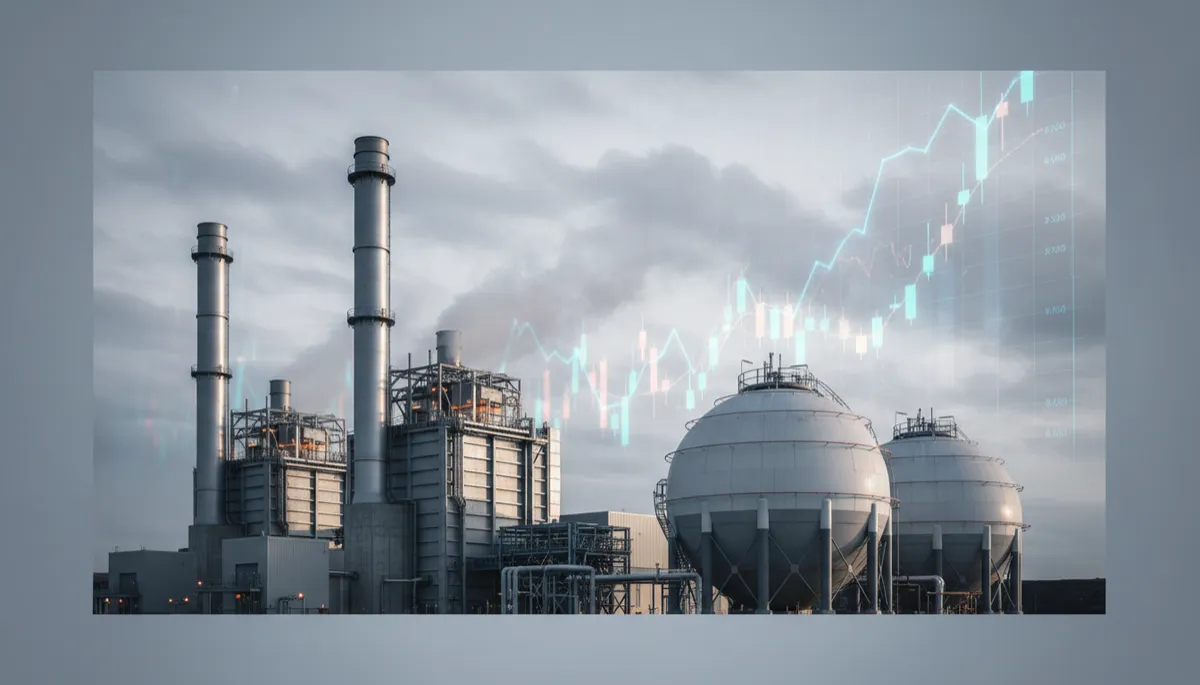
As exports grow, domestic gas prices increasingly track global LNG market swings.
Winners, Losers, and the Role of Policy
The domestic impact is not one‑sided. Higher LNG demand can be a powerful growth engine for producing regions, spurring investment in drilling, pipelines, and export terminals. Producers benefit from access to premium international prices, and governments gain tax revenues and jobs. Over the medium term, this may also encourage more supply, helping moderate price spikes at home.
On the other hand, energy‑intensive manufacturers, power generators, and households are exposed to greater price volatility. When global LNG markets tighten—as seen with recent disruptions—domestic prices can rise, even if local production is healthy. Policy choices around export approvals, environmental regulation, and support for efficiency or renewables will heavily influence how this tension plays out.
A More Globalized Future for “Domestic” Gas
The bottom line is clear: as LNG demand climbs, domestic natural gas markets become less insulated and more tightly woven into global trade flows. Producers and investors stand to gain from expanded export opportunities, while policymakers and consumers must navigate a world where local gas prices are increasingly set not just in national hubs, but on the high seas.
