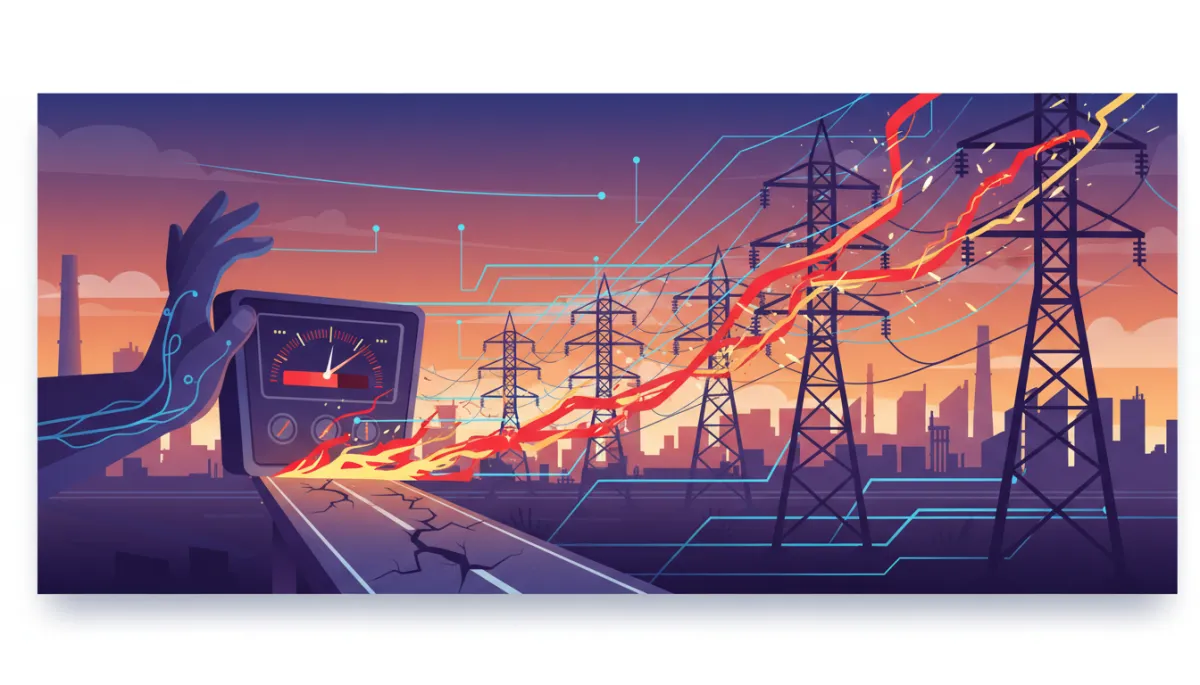
Rising Energy Demand Strains Global Infrastructure
Energy, Infrastructure, Sustainability
How Rising Energy Demand Is Straining Global Infrastructure
Around the world, demand for energy is climbing faster than the systems built to deliver it. From power grids to pipelines, infrastructure is under mounting pressure—and the next few years will be decisive in determining whether it bends or breaks. In the United States, this strain is especially visible in the nation’s vast but aging network of oil and gas pipelines, which must adapt to shifting demand, new production hubs, and evolving climate goals.
A New Peak in Global Energy and Electricity Demand
Global energy use is still rising—even as economies work to become more efficient and climate‑conscious. In 2025, worldwide energy demand grew by about 1.3%, adding roughly 8 exajoules, according to the International Energy Agency (IEA). While this is slower than the 2% growth seen in 2024, it still represents a substantial increase in absolute terms (IEA). In the U.S., rising natural gas consumption for power generation and industry, along with steady liquid fuels demand, is putting extra pressure on the pipeline network that moves energy from production basins to refineries, export terminals, and population centers.
Crucially, the world is entering what the IEA calls the “Age of Electricity.” Electricity demand rose by around 3% in 2025—more than twice as fast as total energy demand—and is expected to accelerate to 3.6% in 2026 and 3.8% in 2027. By 2027, global electricity consumption is projected to reach about 30,700 TWh, up from 28,600 TWh in 2025 (IEA Electricity Mid‑Year Update 2026). Because much of this power in the U.S. is still generated from natural gas, electricity growth often translates directly into higher throughput needs for gas transmission pipelines and storage facilities.
What is driving this surge? Several powerful trends are converging:
Digitalization: Data centers, cloud computing, and AI now account for a rapidly growing share of power use. In the United States alone, data centers were responsible for roughly half of electricity demand growth in 2025 (IEA). This has knock‑on effects for U.S. gas pipelines, as more flexible and fast‑ramping gas‑fired plants are built or dispatched to serve these large, often regionally concentrated loads.
Electrification: Electric vehicles, heat pumps, and electric industrial processes are replacing fossil‑fuel‑based systems, shifting more demand onto power grids. In parallel, U.S. policymakers are pushing to decarbonize direct fossil fuel use in buildings and industry, which could gradually reshape how and where pipelines operate, even as near‑term gas demand remains strong.
Climate and comfort: Hotter summers and colder winters in some regions are increasing the use of air conditioning and heating, further lifting electricity consumption. Seasonal and weather‑driven swings in U.S. gas demand for heating and power intensify the need for pipeline flexibility, storage, and reliable inter‑regional connections.
Where the Strain Shows: Burden on Energy Infrastructure
The problem is not only that we are using more energy—it is that much of the world’s infrastructure was not designed for today’s loads or tomorrow’s patterns of use. As demand climbs, several pressure points are emerging across the energy system. For the United States, one of the most critical pressure points is its intertwined system of crude oil, refined product, and natural gas pipelines—over 2.6 million miles of lines that form the backbone of domestic energy logistics.
Aging Grids in a High‑Demand, Renewable Era
Many transmission and distribution networks in advanced economies were built decades ago, for a world with centralized fossil‑fuel power plants and relatively predictable demand. Today, those same grids must handle:
Heavier peak loads from EV charging, industrial clusters, and growing cities.
Variable renewable generation from solar and wind, which can swing sharply with weather conditions.
Two‑way power flows as households and businesses export rooftop solar energy back to the grid.
Without substantial upgrades—new transmission lines, digital controls, and advanced metering—these networks risk more frequent bottlenecks, voltage issues, and outages. The IEA and national energy agencies repeatedly highlight grid modernization as a critical bottleneck in meeting future demand and connecting new renewable projects (IEA: Future of Energy Infrastructure). In the U.S., similar modernization challenges apply to pipelines: many major oil and gas trunk lines were built in the mid‑20th century, and operators now face rising throughput needs, stricter safety standards, and calls to repurpose or adapt assets for lower‑carbon fuels.
Storage, Flexibility, and the Intermittency Challenge
As renewables claim a larger share of supply—low‑emissions sources provided nearly 60% of global energy demand growth in 2025—systems must find ways to keep power reliable when the sun is not shining or the wind is not blowing. That means:
Massive investment in energy storage, from grid‑scale batteries to pumped hydro and emerging technologies.
Flexible demand solutions, such as time‑of‑use pricing and smart appliances that shift consumption away from peak periods.
Until these tools are deployed at scale, grid operators will continue to lean on gas‑fired plants and other fossil assets as back‑up, adding to both infrastructure costs and emissions. For U.S. pipelines, this means continued—and often more variable—demand for gas transport and storage, as power plants ramp up and down to balance intermittent renewables, stressing pipeline capacity, compressor stations, and storage caverns during peak periods.
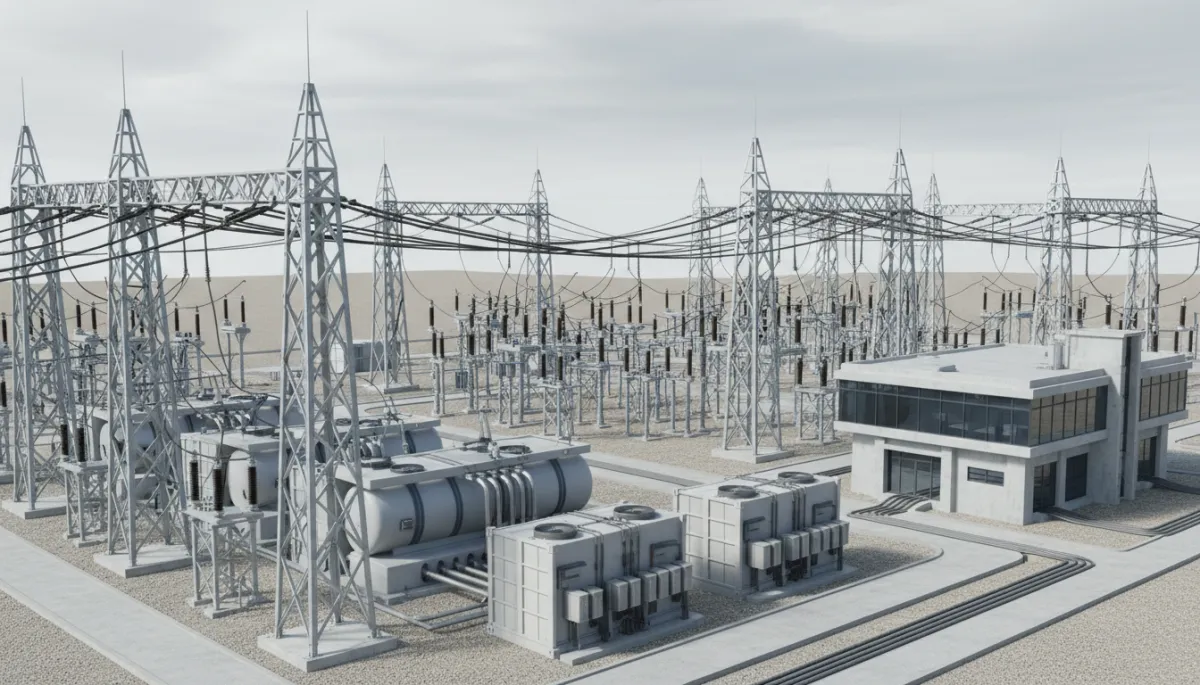
Grid upgrades and storage projects are racing to catch up with soaring demand.
Resilience, Climate, and Cyber Risk
Extreme weather is striking more often and with greater intensity. Heatwaves, storms, floods, and wildfires are testing the resilience of power lines, substations, and pipelines. At the same time, growing digitalization—from smart meters to automated control systems—has opened new cybersecurity vulnerabilities. Energy agencies and utilities now face the dual task of hardening physical assets against climate impacts and defending digital systems against attack (U.S. DOE). The U.S. pipeline sector has already seen how disruptive these risks can be: hurricanes in the Gulf Coast can shut in production and damage pipeline corridors, while cyber incidents—such as the Colonial Pipeline ransomware attack—have highlighted how a single event can ripple through fuel supply chains along the East Coast.
Investment, Policy, and the Path Forward
Meeting rising energy demand without overloading infrastructure will require unprecedented levels of investment and coordination. Grid expansion, renewable integration, storage deployment, and resilience upgrades all carry high upfront costs—especially in emerging economies where demand is growing fastest, such as India and Southeast Asia (McKinsey Global Energy Perspective). In the United States, similar investment questions loom over pipelines: where to add new capacity, which older lines to modernize, and how to prepare corridors and rights‑of‑way for potential future uses such as transporting hydrogen, renewable natural gas, or captured CO₂.
Policy and regulation will be just as important as capital. Faster permitting for transmission lines, clear rules for connecting renewables, and incentives for efficiency and flexible demand can all help ease the burden on existing systems. Conversely, fragmented regulations and slow approvals risk leaving critical infrastructure projects stuck on the drawing board while demand continues to climb. For U.S. pipelines, federal and state siting rules, environmental reviews, and community opposition can delay or derail projects, even in regions where capacity constraints are already raising prices or limiting industrial growth.
📌 Key Takeaway: The world does not just need more clean energy—it needs smarter, stronger, and more resilient infrastructure to deliver it reliably in the face of rapidly rising demand. In the U.S., that means modernizing and strategically expanding pipeline systems while planning for a lower‑carbon future, so that critical fuels can move safely and efficiently even as the energy mix evolves.
As we look toward the late 2020s, the central challenge is clear: align the pace of infrastructure transformation with the relentless growth in energy and electricity use. The choices made now—by governments, utilities, businesses, and communities—will determine whether tomorrow’s energy systems are a source of vulnerability or a foundation for sustainable growth. For U.S. pipeline infrastructure in particular, decisions about maintenance, expansion, and repurposing will shape not only energy security and pricing, but also how smoothly the country can navigate its transition toward a more sustainable energy system.
